
by Rose Lugo, Ed.D.
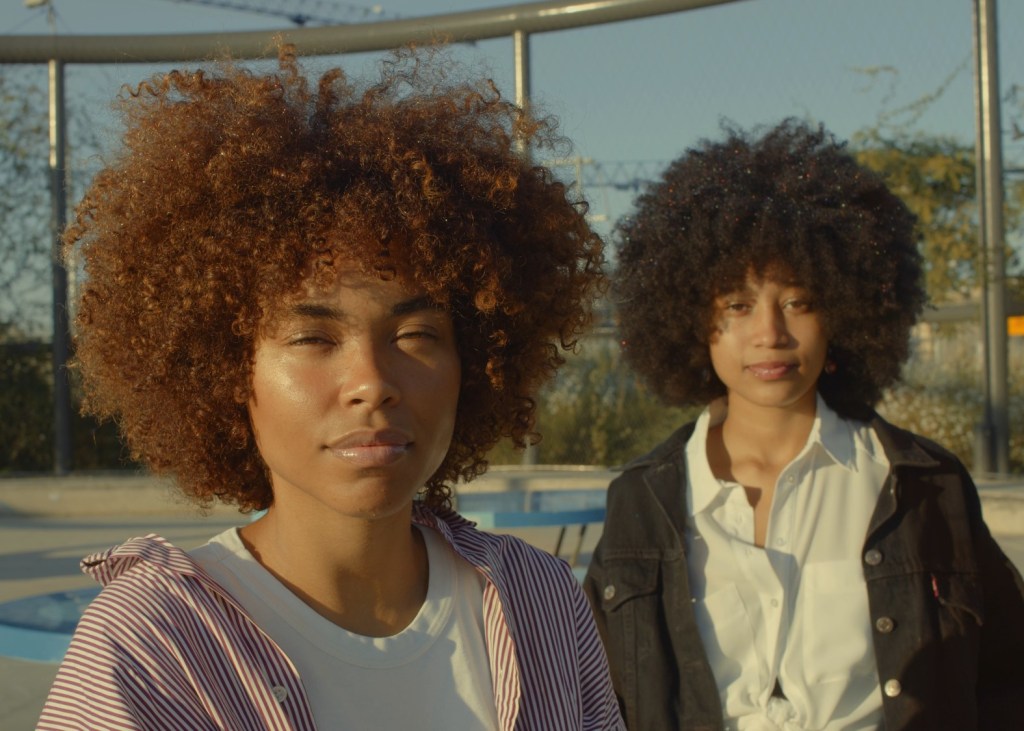
The standards of beauty portrayed in media narrative and imagery have historically shaped societal ideals and influenced how we perceive ourselves and others. Is tall and blonde prettier than short and black? Why? Why is Barbie tall and blonde? It is no secret that mainstream media has often favored white models and artists, perpetuating racial divides and distorting our understanding of beauty.
This bias in media representation not only marginalizes people of color but also distorts our collective grasp of what true beauty encompasses. The relentless media promotion of unrealistic beauty standards by the fashion and beauty industries has further exacerbated this discord, leaving many feeling inadequate and striving for an unattainable ideal. Advertisers profit from your feelings of inadequacy and insecurities. You can read that again, “Advertisers profit from your feelings of inadequacy and insecurities.”
Ads promote unrealistic standards and encourage comparison to trigger self-deprecation emotions, the need to conform, and the desire to be admired. The media exploit consumers’ vulnerabilities to convince individuals that their products are essential for achieving artificially glorified outcomes, despite often providing ineffective solutions.
Think about your last purchase motivated by your favorite social media influencer, to what extent was it driven by your desire to emulate that person’s lifestyle, at least by having that particular product? How has it actually improved your life? Meanwhile, the advertiser cashed in on your discontentment with yourself.
Exploring a person’s self-dissatisfaction for a profit is the business of advertisers, and delivering an audience to advertisers is the business of the media. Much beyond exchanging goods for dollars, this dynamic can impact people’s health. Thinness, in particular, has been elevated in media portrayals, overshadowing a healthy image of the human body. The fixation on the extremely thin body type leads to eating disorders, especially among young women. Anorexia and binge eating disorders have been fueled by the incessant media bombardment of unrealistic body images.
Conversely, the prevalence of junk food advertising has contributed to a surge in childhood obesity, adding another layer to the complexity of body image issues. The discrepancy between media-promoted ideals and the reality of diverse body shapes only serves to deepen feelings of inadequacy, leading people to a vicious cycle of unhappiness with self-image and consumerism that do not resolve or worsen the problem. This is the sweet spot for the weight loss industry.
It is vital to recognize that media consumers, especially young people, should instead be reminded of their intrinsic value as human beings. We must view these media standards of beauty through a lens of strong self-worth, understanding that we are loved by God exactly as we are. Knowing that our bodies are temples of the Holy Spirit, meant to be nurtured for our health and the ability to carry out works for the common good.
In Psalm 139:14, we are taught that we are fearfully and wonderfully made in the image of God. This truth transcends the color of our skin, the texture of our hair, our stature, or our size. Diversity is not only accepted but celebrated in God’s creation. As Christians, our response to the distorted view of beauty portrayed by media should be rooted in the understanding that God created beauty and order. We must embrace the diversity of creation and reject harmful stereotypes, knowing that our worth comes from being wonderfully made in God’s image.
Let us strive to promote a culture that values individuals for their unique qualities and that define true human beauty by one’s level of compassion, kindness, and authenticity. Aligning our perspective with God’s truth, we can break free from the illusion of media-shaped beauty standard and embrace the rich and diverse beauty of divine creation.
 Rose Lugo, Ed.D.